Why Mid-September is the Crucial Window to Prevent Winter Ice Dams

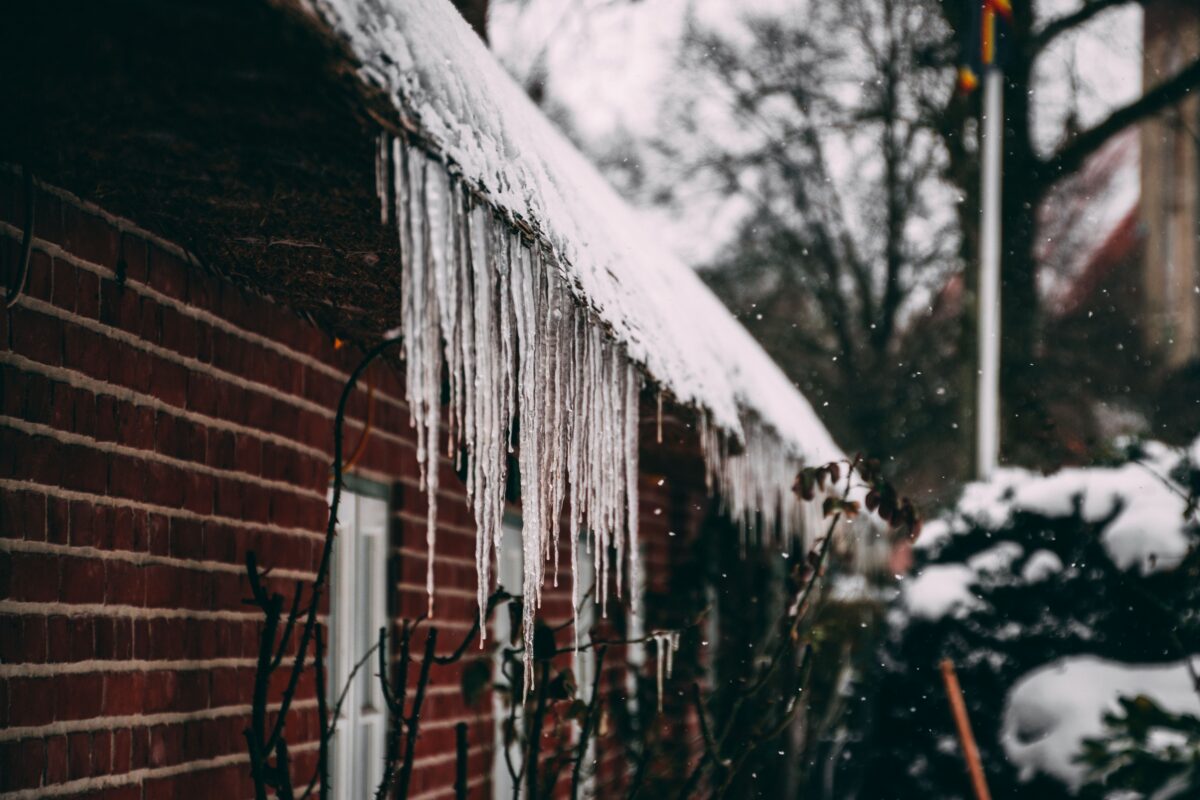
With crisp September air setting in across Massachusetts, winter is right around the corner. If your home suffered from giant icicles or damaging ice dams last winter, right now is your most critical window of opportunity to prevent them from coming back.
Every winter, ice dams cause thousands of dollars in hidden water damage—tearing off gutters, ruining roof shingles, and leaking water directly into interior ceilings.
Emergency roof raking during a freezing January storm is exhausting, dangerous, and only treats the symptom. To stop ice dams permanently, you have to address the root cause before the first frost arrives.
Here is why ice dams form, why mid-September is the ultimate time to fix them, and how proper attic insulation protects your roof.
The Physics of an Ice Dam: How It Formed Last Winter
An ice dam requires three specific conditions: snow on the roof, freezing outdoor temperatures, and heat escaping from inside your home into the attic.
Indoor Heat Escapes into the Attic (via unsealed gaps & thin insulation)
Heat Warms the Upper Roof Deck (melting snow from the underside)
Melted Water Runs Down toward Cold Overhangs & Eaves
Water Refreezes at the Eaves (forming a solid ice ridge)
Standing Water Backs Up Under Shingles (leaking into ceilings & walls)
- The Leak: Warm indoor heat slips into your uninsulated attic through unsealed light fixtures, attic hatches, and framing gaps.
- The Melt: That escaping heat warms your upper roof deck, melting the underside of the snowpack even when outdoor temperatures are well below freezing.
- The Freeze: As that water flows down toward your roof overhangs (eaves), it hits cold outdoor air and freezes into a solid ridge of ice.
- The Dam: Subsequent snowmelt gets trapped behind that ice ridge, backing up underneath your roof shingles and dripping into your living space.
Why Mid-September is the Smartest Time to Fix Your Attic
Waiting until late autumn or the first heavy snowfall to address your attic is a risky gamble. Acting in mid-September gives you the upper hand:
- Beat the Autumn Booking Bottleneck: Once peak cold weather hits New England in October, insulation contractors face massive scheduling surges. Booking in mid-September guarantees flexible scheduling and faster project completion.
- Ideal Working Conditions: September attic temperatures are mild—crews can complete meticulous air sealing and high-density insulation blowing before tight attic spaces become brutally cold or dangerously slick with frost.
- Zero Stress When Winter Hits: Your building envelope will already be 100% sealed before the first snowflake touches your roof deck.
The 2-Step Defense: How Insulation Stops Ice Dams
To stop ice dams, your attic needs to stay cold—at the exact same temperature as the outdoor air. Neeeco Insulation accomplishes this using a proven two-step strategy:
- Precision Attic Air Sealing
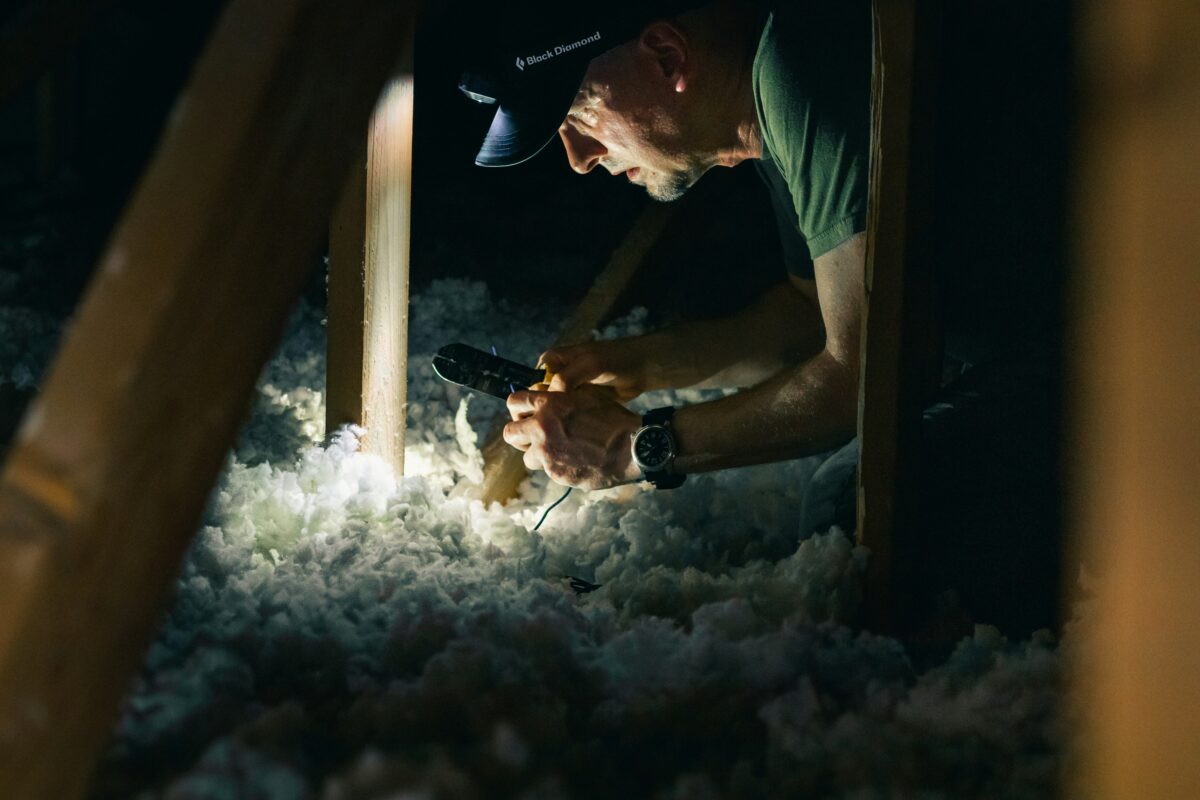
Before adding insulation, technicians block the path of rising warm air. Using specialized expanding foam and sealants, we close off hidden “attic bypasses”—micro-gaps around chimney flues, recessed light fixtures, bathroom exhaust fans, and wall top-plates. Stopping this warm airflow cuts off the primary fuel source for roof snowmelt. - High-Density Attic Insulation
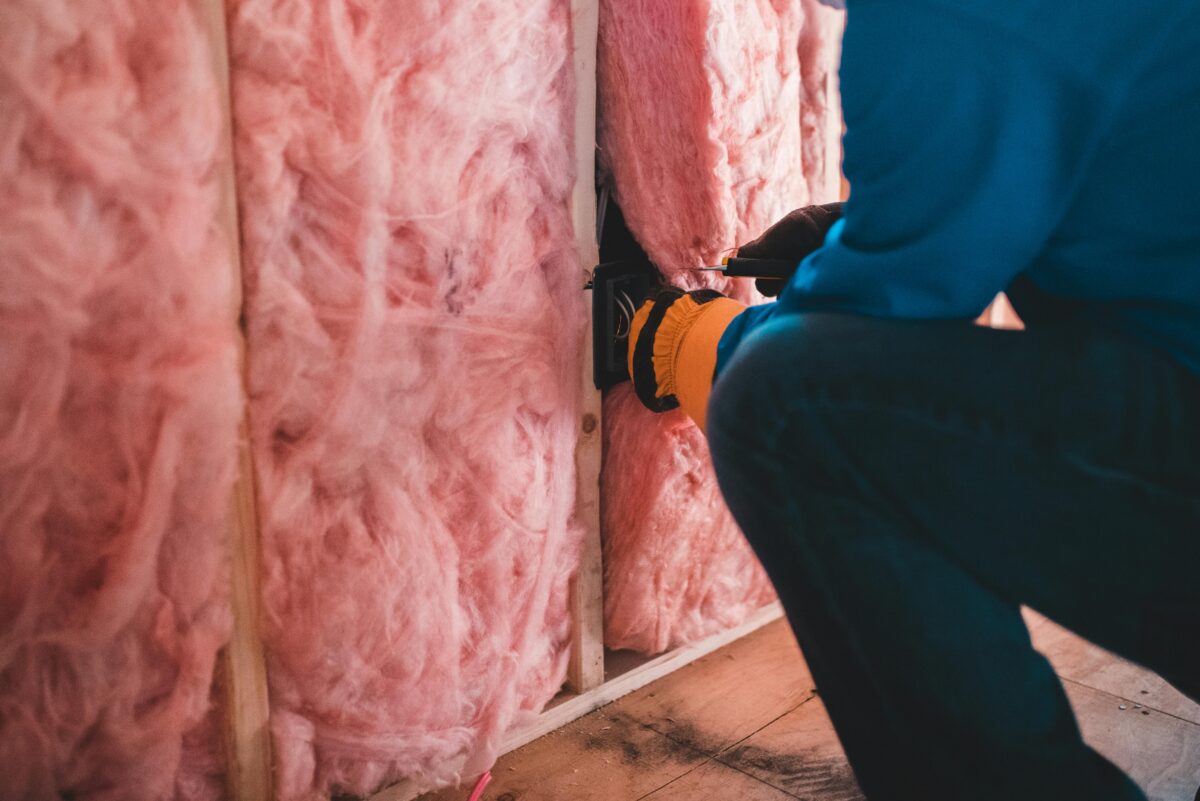
Once the attic floor is sealed airtight, a deep, continuous blanket of loose-fill or dense-pack cellulose insulation is installed across the attic floor. This heavy thermal barrier keeps your living heat downstairs where it belongs, ensuring your roof deck stays cold all winter long.
Start With a Home Energy Assessment
Protect your roof before the cold arrives. Raking snow off your roof in a sub-zero January storm is a temporary band-aid. By insulating your attic this September, you protect your roof shingles, prevent costly interior water damage, and lower your upcoming heating bills before winter even begins.
Beat the fall rush! Schedule a Home Energy Assessment with Neeeco Insulation today to inspect your attic and seal your roof deck before cold weather sets in.