
Which Insulation Type is Best for Your Home?

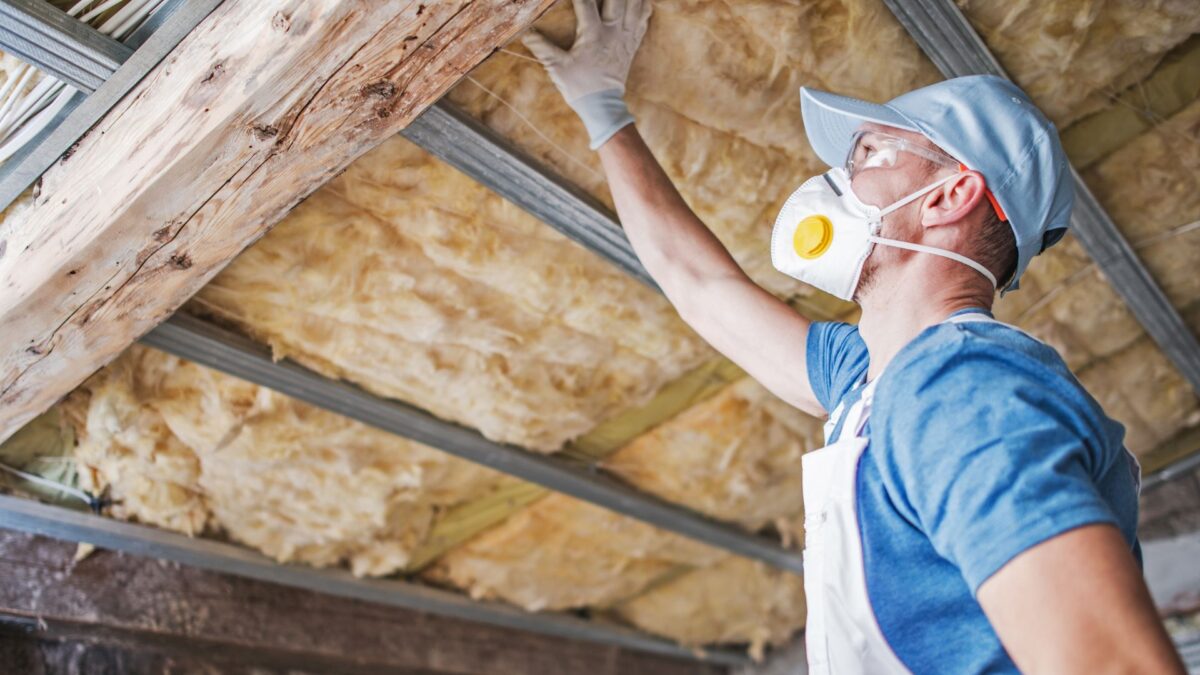
When homeowners start exploring insulation upgrades, they often encounter two common options: blown-in insulation and spray foam insulation.
Both materials can improve energy efficiency, but they are designed for different applications. Understanding how they work can help homeowners choose the right solution for their home.
What Is Blown-In Insulation?
Blown-in insulation is a loose material that is installed using specialized equipment that distributes it evenly across a space.
The most common type is cellulose insulation, which is made primarily from recycled paper products and treated for fire resistance.
Blown-in insulation is commonly used in:
- Attics
- Enclosed wall cavities
- Hard-to-reach spaces
Because it flows into gaps and corners, it provides consistent coverage.
Benefits of Blown-In Insulation
Blown-in insulation offers several advantages.
- Great Coverage: It fills irregular spaces and small gaps more effectively than traditional batt insulation.
- Cost Effective: Blown-in insulation is often one of the most affordable ways to improve attic insulation.
- Energy Efficiency: It helps reduce heat loss and improve overall home comfort.
What Is Spray Foam Insulation?
Spray foam insulation is a liquid material that expands when applied, creating both insulation and an air barrier.
Once it cures, the foam hardens and forms a tight seal around the surfaces where it was installed.
Spray foam is commonly used in areas such as:
- Rim joists
- Crawl spaces
- Rooflines
- Wall cavities
Benefits of Spray Foam
Spray foam provides several unique benefits.
- Excellent Air Sealing: Because it expands when applied, it seals many of the small gaps that allow air leakage.
- High Insulation Value: Spray foam provides strong thermal performance compared to many traditional insulation materials.
- Moisture Resistance: Closed-cell spray foam can help reduce moisture movement.
Which Options Is Better?
The best insulation solutions depends on the specific needs of the home.
Many homes actually benefits from a combination of both materials. For example, spray foam may be used to seal key areas like rim joists, while blown-in insulation is installed in the attic to provide full coverage.
A professional evaluation can help determine which areas of the home would benefit most from each approach.
Improving Comfort and Efficiency
Upgrading insulation is one of the most effective ways to improve home comfort and reduce energy costs.
With the right combination of materials and proper installation, homeowners can create a more comfortable and energy-efficient home year-round.
Ready to improve home comfort and reduce energy costs? Call our team at (781) 299-7000 to get started!
- Category: Uncategorized