
What is Vermiculite Insulation?

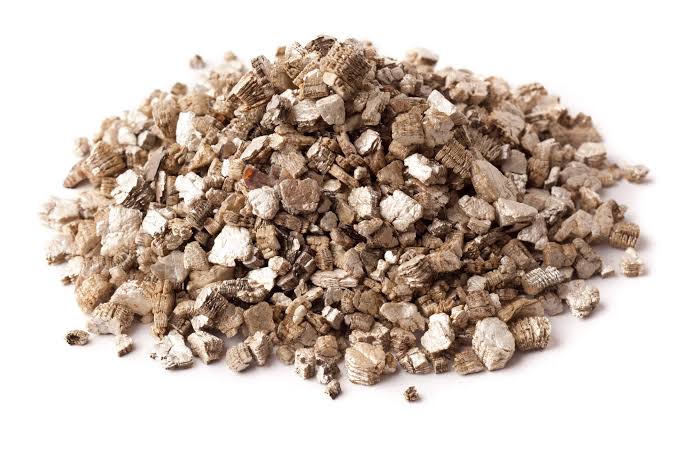
If you’ve recently peered into the attic of an older Massachusetts home—or if a home inspector or energy auditor took a look during a routine check—you might have seen a layer of small, pebble-like, metallic-looking granules scattered between your floor joists.
If those greyish-brown pebbles look a bit like coarse gravel or accordion-shaped flakes, you are likely looking at vermiculite insulation.
Discovering vermiculite can instantly trigger panic. Is it toxic? Is my family in danger? Does this mean I can’t insulate my house?
While vermiculite requires immediate caution, finding it isn’t a dead end for your home comfort goals. Here is a clear, honest guide on what vermiculite is, why it poses a health risk, and what to do if you find some in your home.
What is Vermiculite Insulation?
Vermiculite is a naturally occurring mineral mined from the earth. When heated to high temperatures, the mineral expands like popcorn into lightweight, fire-resistant granules. Due to its natural heat resistance and low cost, expanded vermiculite was widely used as pour-in attic insulation between the 1920s and 1990.
The Asbestos Connection
Vermiculite itself is a harmless mineral. However, over 70% of all vermiculite sold in the United States originated from a single mine in Libby, Montana.
Unfortunately, the Libby mine sat on a massive natural deposit of amphibole asbestos. As a result, nearly all vermiculite mined from that site was contaminated with toxic asbestos fibers before being packaged and sold to millions of homeowners across America.
The Health Risks Associated With Asbestos
Asbestos fibers are microscopic and razor-thin. When vermiculite is left undisturbed underneath an attic floor, the health risk to the living spaces below is generally low.
However, the moment vermiculite is disturbed, millions of microscopic asbestos fibers become airborne.
Inhaling airborne asbestos fibers can cause severe, irreversible health conditions decades after exposure, including asbestosis, lung disease, and mesothelioma.
What to Do if You Find Vermiculite in Your Home
If you suspect your attic has vermiculite insulation, follow these strict safety rules immediately:
- 🚫 DO NOT touch or disturb it: Do not scoop it up, rake it, or attempt to sweep it.
- 🚫 DO NOT store items in the attic: Avoid walking upstairs or shifting storage totes over the material.
- 🚫 NEVER attempt DIY vacuum removal: Standard shop vacuums or home vacuums do not have specialized containment filters. Vacuuming vermiculite will blast toxic asbestos dust directly into your home’s air.
- 🚫 Keep the attic door closed: Seal off access hatches or pulldown staircases to prevent air drafts from drawing dust into lower hallway spaces.
- ✅ DO call licensed professionals: Professional abatement technicians use negative air pressure machines and HEPA containment systems to remove the material without contaminating your home.
Don't Let Vermiculite Stand in Your Way
Finding vermiculite in your attic can be stressful, but you don’t have to navigate it alone. Neeeco Insulation works hand-in-hand with licensed partners to help you clear barriers and finish the job with high-performance insulation.
🎯 Suspect you have vermiculite in your attic?
Contact Neeeco Insulation today to schedule a No-Cost Home Energy Assessment. We’ll help you identify barriers safely and guide you through every step of the rebate process.
- Category: Uncategorized